
Health Blog
Fabulous Fiber: Why You Really Need It
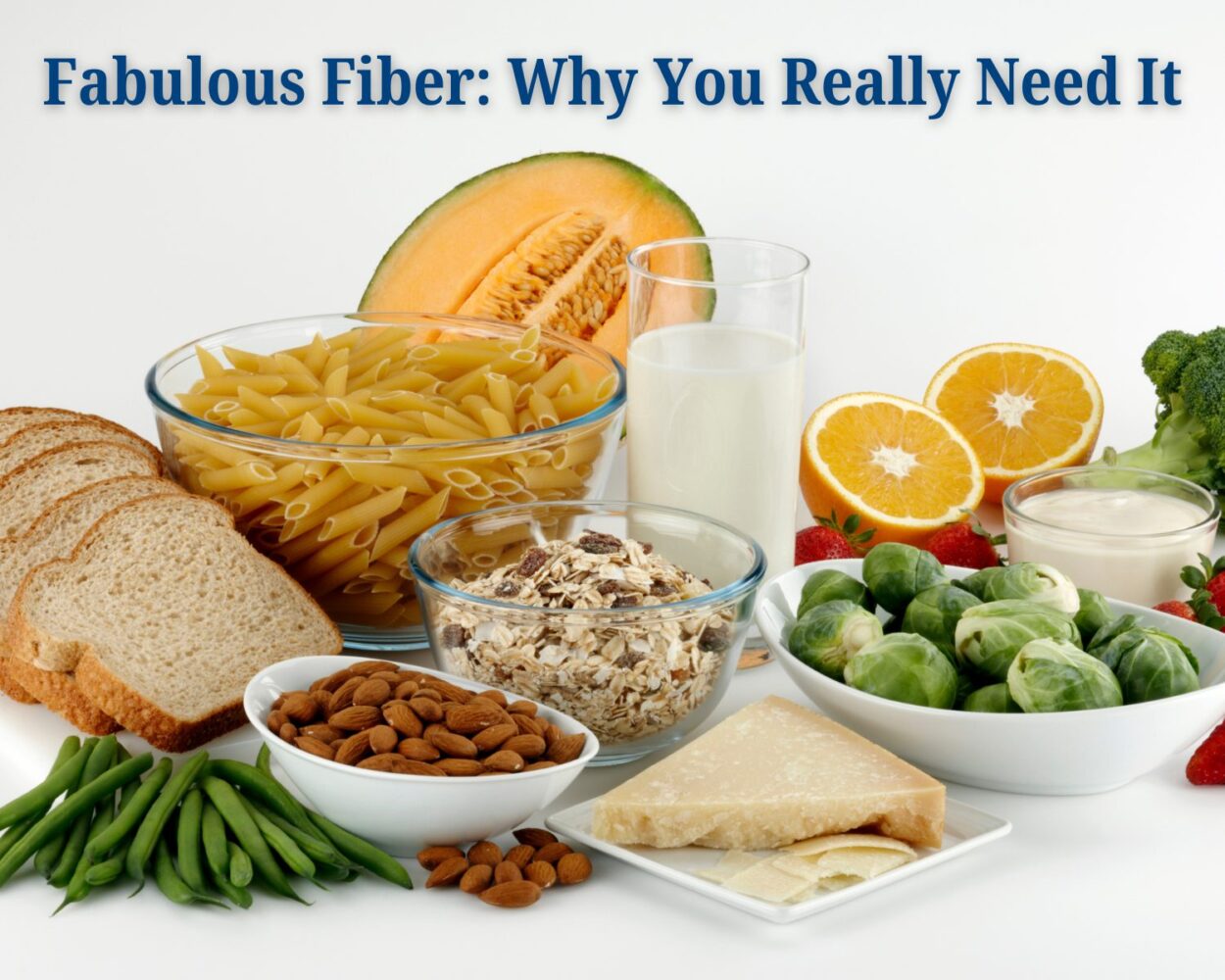

by: Cammy Tucker, RD, LD, Registered Dietitian
Hey there! Let’s talk about fiber. You’ve probably heard that fiber is good for you, but do you know just how important it actually is? Fiber is the part of plant foods that your body can’t digest. Even though it doesn’t get absorbed, it does a ton of great things inside your body.
Most people should aim for about 14 grams of fiber for every 1,000 calories they consume. This is estimated to be between 25 to 28 grams of fiber per day for women and between 28 and 34 grams per day for men. But the average person only eats about half of that. The good news? You don’t have to make huge changes to fix that.
Why Fiber Is So Important
1. It Keeps Your Digestion Running Smoothly Fiber helps you have regular bowel movements and prevents constipation. There are two main types of fiber:
- Soluble fiber dissolves in water and turns into a gel. It helps lower “bad” cholesterol and keeps your blood sugar steady.
- Insoluble fiber doesn’t dissolve. It adds bulk to your stool and helps move food through your digestive system faster.
Both types are important, and most plants contain a mix of both.
2. It’s Great for Your Heart Eating plenty of fiber can lower your risk of heart disease and stroke. Soluble fiber especially helps pull extra cholesterol out of your body so it doesn’t build up in your arteries.
3. It Helps You Feel Full Longer One of the best things about fiber is that it makes you feel satisfied after eating. This can help you eat fewer calories without feeling hungry all the time, which makes it easier to manage your weight.
4. It Feeds Your Good Gut Bacteria Your gut is home to trillions of bacteria that love fiber. When they eat soluble fiber, they create helpful substances that keep your gut healthy and may even reduce inflammation in your body.
Easy Ways to Add More Fiber to Your Day
You don’t need to completely change the way you eat. Small swaps can make a big difference. Here are some simple ideas:
- Choose whole grains instead of refined ones. Try brown rice instead of white rice, or whole wheat bread instead of white bread.
- Start your morning with steel-cut oatmeal or a high-fiber cereal.
- Add beans or lentils to soups, salads, or tacos.
- Snack on fresh fruits, vegetables, or a handful of nuts instead of chips or cookies.
- Eat more whole foods and fewer processed foods. The more a food is processed, the less fiber it usually has.
- Check the Nutrition Facts label and try to choose products with at least 4 g dietary fiber per serving.
Pro Tips: When you start eating more fiber, drink plenty of water! Fiber works best when you stay hydrated. If you add fiber too fast without drinking enough water, you might feel bloated or gassy. Take it slow and give your body time to adjust.
Be sure to include foods that are sources of probiotics and prebiotics to ensure healthy gut bacteria:
- Foods with probiotics include yogurt, kefir and sauerkraut.
- Foods with prebiotics include bananas, whole grain wheat, and oats.
Getting Started the Smart Way
Don’t try to go from zero to hero overnight. Add a little more fiber each week. For example, add some berries to your breakfast or throw a handful of beans into your dinner. Small changes like these add up fast.
If you have stomach problems or any health conditions, talk to your doctor or a dietitian before making big changes.
The Bottom Line
Fiber might not be the most exciting topic, but it’s one of the simplest things you can do for better health. It helps your digestion, protects your heart, helps control your weight, and keeps your gut happy.
Start with one or two easy swaps this week. Your body will thank you!
This is for information only and not medical advice. Talk to a healthcare professional for advice that’s right for you.

A Simple High-Fiber Recipe: Hearty Lentil & Veggie Bowl
This recipe is easy, affordable,delicious and packed with fiber.
Ingredients:
- 1 cup dried lentils (or 2 cups cooked)
- 1 tablespoon olive oil
- 1 small onion, chopped
- 2 cloves garlic, minced
- 1 carrot, diced
- 1 bell pepper, chopped
- 1 teaspoon cumin
- 1/2 teaspoon paprika
- 3 cups vegetable broth
- Salt and pepper to taste
- Optional: handful of spinach or kale
Instructions:
- Rinse the lentils under cold water and set aside.
- Heat olive oil in a pot over medium heat. Add onion and garlic, cooking until softened.
- Stir in carrot, bell pepper, cumin, and paprika. Cook for 2–3 minutes.
- Add lentils and vegetable broth. Bring to a boil, then reduce heat and simmer for 20–25 minutes until lentils are tender.
- Season with salt and pepper. Stir in greens at the end if using.
- Serve warm on its own or over brown rice.
Why this works: Lentils are one of the richest sources of fiber, and when combined with vegetables, this dish delivers a satisfying, nutrient-dense meal.
The most fiber-rich foods.
Fiber content can vary slightly by preparation (e.g., cooked vs. raw, with skin), variety, and exact serving size. Aim for a mix of soluble and insoluble fiber for digestive health, blood sugar control, and satiety. The daily recommended intake is around 25–38 grams for adults, depending on age and sex.
- Split peas (boiled) — 1 cup (~196g): ~16 grams of fiber Excellent in soups or stews; very high in both soluble and insoluble fiber.
- Lentils (boiled) — 1 cup (~198g): ~15.5 grams of fiber Versatile for salads, curries, or soups; also packed with plant-based protein.
- Black beans (boiled) — 1 cup (~172g): ~15 grams of fiber Great in burritos, salads, or chili; provide steady energy.
- Other beans (e.g., navy, cannellini, or kidney beans, cooked) — 1 cup: ~13 grams of fiber Similar benefits to black beans; canned versions are convenient (rinse to reduce sodium).
- Chia seeds — 1 ounce (~28g): ~10 grams of fiber Add to smoothies, yogurt, or oatmeal; they form a gel that aids digestion.
- Artichoke (cooked) — 1 medium or 1 cup hearts: ~9–10 grams of fiber One of the highest-fiber vegetables; enjoy steamed or in dips.
- Green peas (boiled) — 1 cup (~160g): ~9 grams of fiber Sweet and easy to add to meals; also a good source of protein.
- Raspberries or blackberries (raw) — 1 cup: ~8 grams of fiber Berries offer antioxidants alongside fiber; perfect fresh or in smoothies.
- Avocado — 1 medium (~201g): ~10–13.5 grams of fiber (varies by size) Creamy texture with healthy fats; use in salads, toast, or guacamole.
- Wheat bran (crude/dry) or high-fiber bran cereals — 1/4–1/2 cup: ~6–14 grams (depending on product) Sprinkle bran on foods or choose fortified cereals; very concentrated insoluble fiber.
Other notable mentions
- Chickpeas (garbanzo beans), edamame, flaxseeds, pear (with skin), broccoli, and Brussels sprouts are also strong contenders, often providing 5–9 grams per serving.
- Dried fruits (like prunes or figs) and nuts (almonds) contribute well but in smaller servings due to calorie density.
Related Articles

How does a Registered Dietitian help treat diabetes
A registered dietitian nutritionist (RDN) can be a vital part of your healthcare team if you have type 2 diabetes.…
Five Things to Know about Diabetes and Nutritional Therapy
By Lindsey Morin Even if you do not have diabetes, the chances of you knowing someone who does is high.…
Heart health can be improved with Life’s Essential 8
Newman Regional Health Medical Partners Cardiology encourages everyone to take a few steps to improve their heart health. Prevention is…